- GM Frens Lootbox
- Posts
- Generative AI And The Future Of Gaming

GM frens! No intro 'cos we are already buzzing with excitement.
Today we peek into the world beyond with Generative AI as Blizzard's Warcraft exits China.
Let's begin!
The Generative AI Revolution
This past week a16z released a comprehensive report on the impact of Generative AI on the gaming industry. For those who are unfamiliar, Generative AI is a category of machine learning where original new content is generated in response to inputs from the user.
Since the introduction of real-time 3D, there hasn't been an industry buzz quite like this. Is there a future for Generative AI in gaming, or is this just a phase for game builders? We have done the hard work, so you don't have to. Here are their findings.
Where is Generative AI used in games?
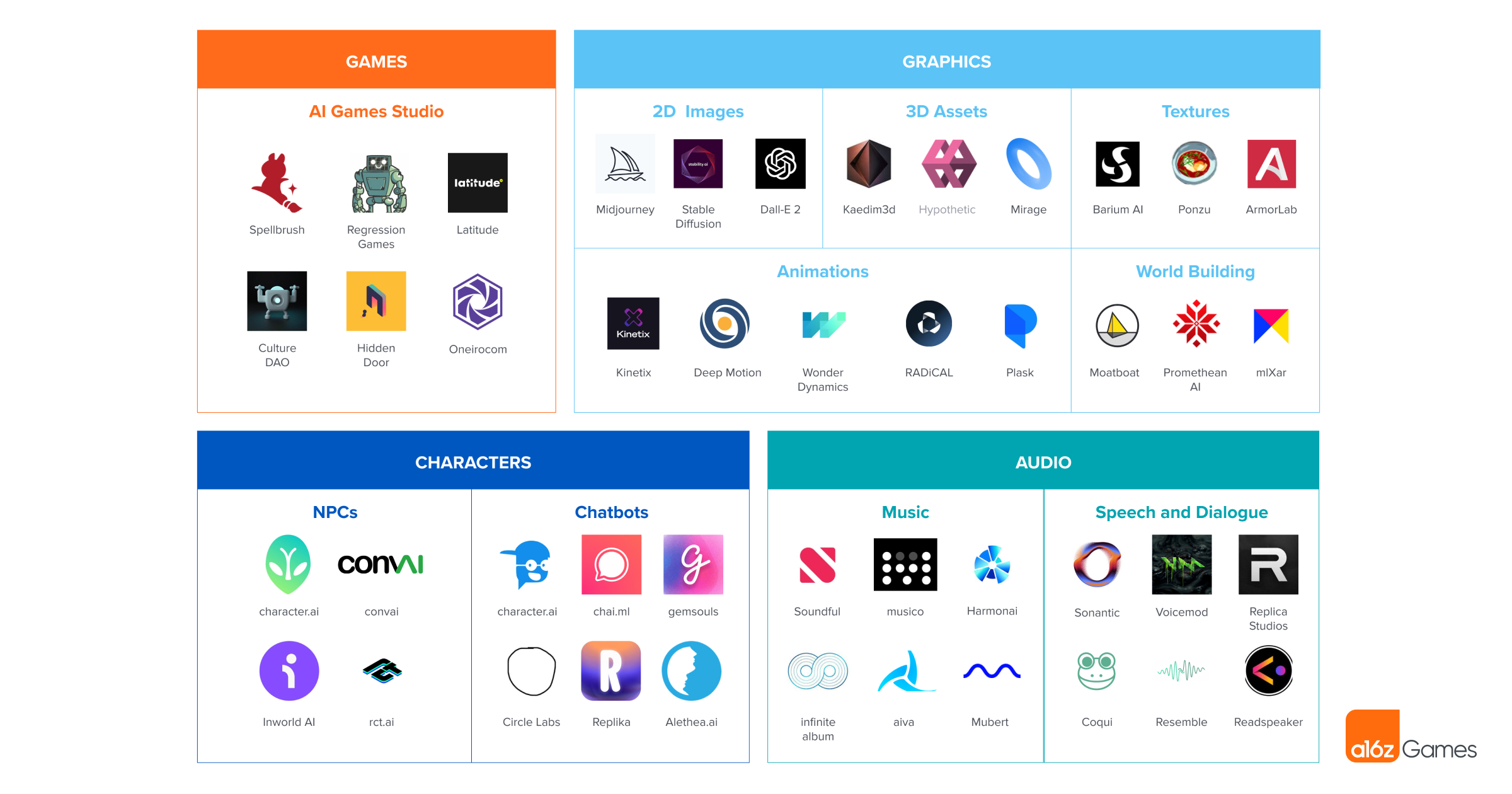
2D Assets: Stable Diffusion is currently the most used tool for this, but AI like Midjourney and Dall-E 2 have had growing success as of late.
3D assets: Created using AI tools like Hypothetic and Mirage
Animation: One of the fastest growing areas of AI use in games with tools like Radical, Deep Motion, and Kinetix, builders have AI-generated animation options.
Level design & world-building: There have been a few cases of this for a while, including generative techniques used to build the ever-popular game Minecraft and the level design in Doom. Builders can use tools like Promethean AI and Moatboat for this.
Why would builders use AI?
The price of content creation could drop dramatically. We have seen this in multiple instances of automation. In this case, art that once took weeks to create could be done in a matter of hours.
New game types can be created that were not possible before Generative AI. Games like Microsoft's Flight Simulator use generative AI to create real-time 3D mapping based on 2D pictures. Imagine a generative collection of avatars or weapon loadouts. The possibilities are endless.
Lowering developmental cost barriers will result in more risk-taking and creative exploration by game devs. The biggest unlock for this is the cost of experimentation slowly approaching zero, more creativity at a faster pace.
All good things. However, the burgeoning industry of generative AI does face its own hurdles as well.
The hurdles yet to come for AI
Legal challenges with the way that data is scraped for these AI. Most of these tools claim they operate under the "Fair Use" law, but this theory hasn't been tested in court yet. Whatever the case, you should expect some turbulence.
The cost of code is a substantial expense when building a game. Although generative art may be on the rise, generative code programs like Copilot are not quite there yet, needing more testing and verification.
Our take
This is interesting tech that will disrupt how game development is currently being done. Think about the possibilities for a minute.
Micro Studios/AI assisted studios: 1-2 person team building out a full game.
Many more games: Imagine thousands of games being released every month.
Combined with web3: Games become platforms where the micro studios create new experiences and are compensated with tokens based on player engagement.
A better experience with NPCs: NPCs can finally come alive with more in-depth interactions.
A new in-demand roles: Generative artists, generative musicians, generative experience designers (designing NPC experience included) are some roles that come to mind. Expect many others as people experiment with the tech.
So what should you do with this?
Start experimenting with these tools.
Consider where you could use these tools to save money on development or to create a more expansive world than originally planned.
Finally, gaming has an exciting future ahead with Generative AI, Cloud Gaming and Web3 coalescing.
Read the report here.
Blizzard's Warcraft To Exit China
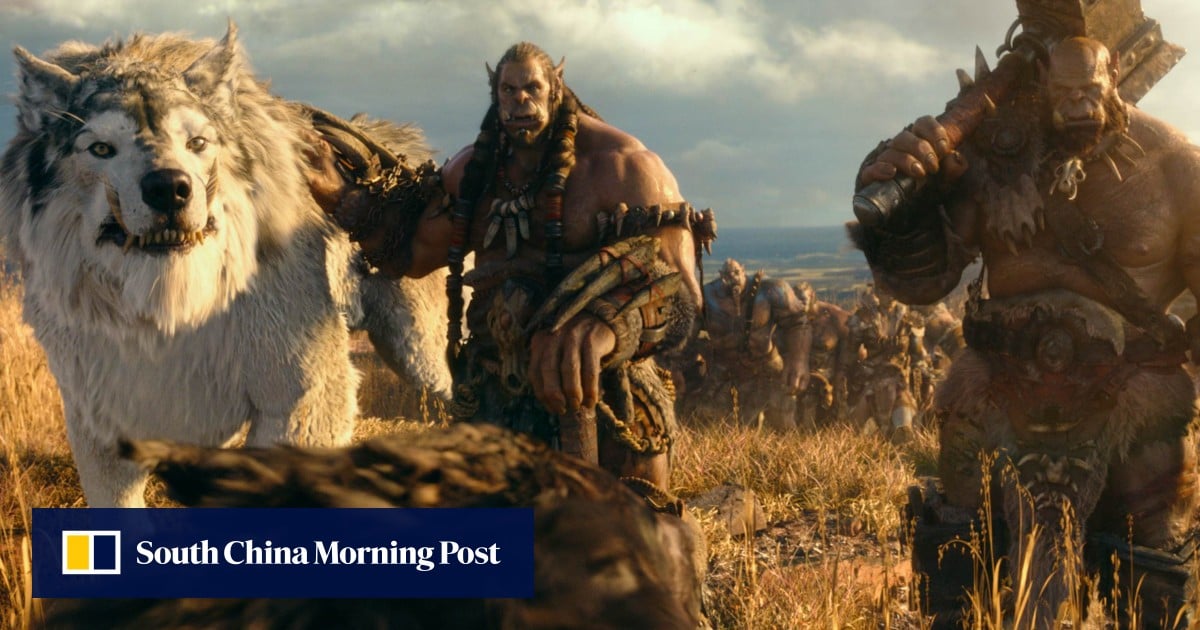
NetEase and Blizzard have ended their 14-year deal, and China's Warcraft users are about to lose access to the future of the beloved franchise. A renewal of the 14-year arrangement between China-based "NetEase" and US-based "Blizzard" was unfortunately not in the cards. Why end such a successful partnership, you may ask? Let's get into it.
What we know
Blizzard will suspend most online game services in mainland China starting January 23
Game sales in China are also expected to halt in the next few days, according to a spokesman from US-based Blizzard.
The deal renewal relied heavily on IP Ownership and User Data, and the companies failed to come to terms on these and other points.
Not just Warcraft
There are actually several franchises these two giants have partnered on including StarCraft, Diablo, Overwatch, and World of Warcraft. Chinese players may soon not have access to servers for any of them.
Without finding an alternative partner, Blizzard is unlikely to be able to continue serving users in China. There has been no official word on whether talks with domestic leader Tencent Holdings or another local distributor have been or are being had.
Why not renew?
China and US Tensions are high, especially around the control of user data. Look at the stance politicians in the US have taken against the China-based app TikTok, going to extreme lengths to protect Americans' data. Some call the app a national security threat.
Intellectual property ownership was also a talking point, as were certain financial requirements, but it seems to me the China user data was the straw that broke this camel's back.
China has laws limiting youth gameplay hours. Due to this and other regulatory hurdles, US companies must use companies like NetEase and Tencent to have a chance at the China market for gamers. The popular game Fortnite recently failed to enter this market after being denied regulatory approval in China. These factors may have contributed to issues between the two companies.
Our take
The real losers here are the players. Many people have been playing these titles for years. Blizzard even has two leagues with Chinese teams! With user data and privacy being at the center of this, I don't see a whole lot of progress being made here any time soon with traditional channels.
This could be an opportunity for decentralized servers that provide censorship resistance.
Read it yourself here.
The sneaky news you may have missed
Esports Giant TSM Suspends $210M Partnership with FTX: TSM (Esports Gaming Brand) announced last week that it had ended its relationship with crypto exchange FTX, effectively killing its once $210 million partnership. This is just the latest in many dropped sponsorships surrounding the FTX exchange after it declared bankruptcy last week. It seems the dust has yet to settle on the grave of FTX.
It's a wrap for today. While you get to polishing these gems, I've got to set up some miners to heat my house for the winter.
Want to be sure to get every single email?
Drag this email to your primary inbox and add this email address as a contact.